Cooking Embroidery Design: A Designer’s Review
As an embroidery designer who has spent countless hours behind the hoop and even more time standing behind a craft fair table, I have learned that not all designs are created equal. Some look stunning on a screen but fail to capture attention in person. Others are so complex they become a nightmare to produce in bulk. Today, I am reviewing the Cooking Embroidery Design, evaluating it through the lens of a small shop owner preparing for a weekend market. This is not just about aesthetics; it is about viability, sell-through rates, and the practical realities of turning a digital embroidery file into a profitable handmade product.
First Impressions and Visual Appeal
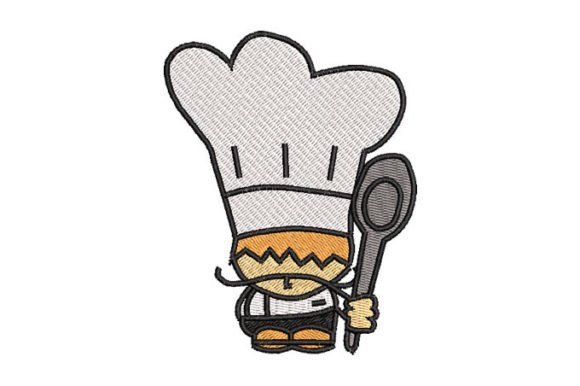
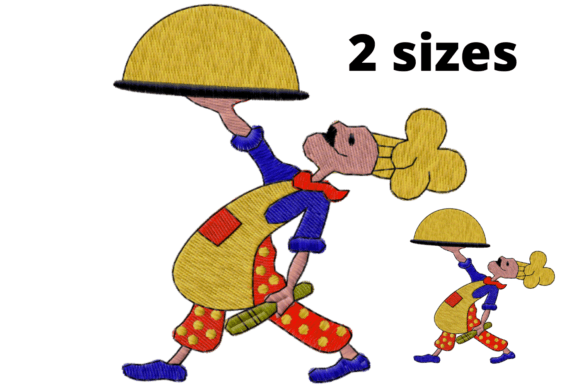
When I first loaded the Cooking Embroidery Design into my software, the immediate impression was one of warmth and approachability. The description promises "great stitches in great colors," and visually, this holds true. The design does not scream for attention with neon brightness or chaotic lines. Instead, it offers a beautiful view that feels curated and intentional. For a kitchen-themed collection, this is vital. We are not selling industrial equipment; we are selling the feeling of home, comfort, and the joy of creating meals.
The aesthetic leans towards a blend of modern rustic and charming farmhouse styles. It is decorative enough to be a focal point but simple enough to remain elegant. In a booth display, where customers scan tables in seconds, this clarity is a massive advantage. The design communicates its theme instantly. There is no guesswork. A customer walking by sees a whisk, a spoon, or perhaps a chef’s hat—depending on the specific motif variation—and immediately understands the context. This instant recognition is crucial for impulse buys at craft fairs.
Product Versatility and Market Fit
The true test of any machine embroidery design is its versatility. Can it survive on different substrates? Does it look good on both dark and light fabrics? The Cooking Embroidery Design shines when applied to a variety of kitchen and lifestyle products. Here is how I envision it performing across different items:
- Apron Embroidery: This is arguably the strongest application. An apron provides a large, flat canvas where the design can breathe. Placing the motif on the bib or the lower pocket creates a high-value item that feels premium. The "great colors" mentioned in the description pop beautifully against white or natural cotton canvas.
- Tea Towel Embroidery: Tea towels are staple craft fair products. However, they present a challenge due to fabric texture. The design must have appropriate stitch density to avoid sinking into the terry cloth or waffle weave. If the stitch count is balanced, this becomes a quick-turnover item that pairs well with other kitchen goods.
- Tote Bag Design: Market bags and grocery totes are trending. Embroidering this design on a sturdy canvas tote adds durability and style. It transforms a generic bag into a statement piece for the farmer's market run.
- Embroidered Patch: If the design is sized correctly, it makes an excellent iron-on or sew-on patch. Patches allow customers to customize their own jackets or bags, expanding your target audience beyond just kitchenware buyers.
- Caps and Hats: Curved surfaces are tricky. If the design is too wide, it will distort on a cap front. I recommend testing a smaller version of the design for headwear. If it maintains clarity at a reduced size, it opens up a lucrative accessory market.
Production Practicality for Small Shops
For Etsy sellers and boutique makers, time is money. A design might look gorgeous, but if it takes forty-five minutes to stitch and requires constant thread changes, it eats into your profit margin. The Cooking Embroidery Design appears to prioritize efficiency without sacrificing quality. The mention of "great stitches" suggests a clean underlay and smart pathing, which reduces jump stitches and trim time.
Batch production is key to surviving a craft fair. You need to churn out inventory quickly. This design seems repeatable. It does not rely on micro-details that might cause frequent thread breaks. When I consider my workflow, I can see myself hooping multiple aprons or towels in an assembly-line fashion. The consistency of the stitch work means that the hundredth item looks just as professional as the first, maintaining brand consistency across your finished product line.
Photography and Online Listings
In the digital age, your product must photograph well. Flat, intricate designs often lose their charm in photos due to lighting shadows. However, a design with bold, clear shapes like this Cooking Embroidery Design translates exceptionally well to digital images. It creates strong contrast against fabric backgrounds, making it ideal for printable mockups and Etsy listings. Clear imagery leads to higher click-through rates and better customer engagement online.
Critical Considerations and Careful Use
While the potential is high, there are technical pitfalls to avoid. As an experienced designer, I must advise caution in several areas. First, consider the stitch density. If the design is too dense for lightweight fabrics like linen tea towels, it may pucker or stiffen the material excessively. Always use the right stabilizer. A cut-away stabilizer might be overkill for a towel, while a tear-away might not provide enough support for a tote bag. Test on scrap fabric before committing to your final inventory.
Second, pay attention to thread colors. The design likely relies on specific color blocking to define its shapes. If you substitute threads without checking contrast, the design may lose its definition. For example, using a light yellow on a cream background will render the design invisible. Stick to high-contrast combinations unless you are aiming for a subtle, tonal look.
Third, beware of hoop size limitations. Ensure the design fits comfortably within your standard hoops. If it requires a large 8x8 hoop, you limit the machines that can produce it. If it fits in a 5x7 or 4x4, you increase your production flexibility. Check the specific dimensions of the digital embroidery file before purchasing.
Maximizing Sales at Craft Fairs
To make the most of this design at a market, context is everything. Do not just hang an embroidered towel on a rack. Create a vignette. Place the apron on a mannequin or a hanger with a wooden spoon tucked into the pocket. Stack the tea towels next to a jar of homemade jam. This storytelling approach elevates the perceived value of the handmade product. It shows the customer how the item fits into their life.
The Cooking Embroidery Design serves as a visual anchor in these displays. Its friendly, inviting nature draws people in. It sparks conversation. "Oh, I love to bake!" a customer might say. That is your opening to discuss the quality of the stitching, the durability of the fabric, and the care that went into the commercial embroidery process.
Final Verdict for Creative Entrepreneurs
After reviewing the technical and aesthetic aspects, I believe the Cooking Embroidery Design is a strong contender for any kitchen-focused collection. It balances visual appeal with production practicality. It is versatile enough to work on clothes, towels, and accessories, yet specific enough to carve out a niche in the culinary gift market.
Before you launch, remember to confirm commercial licensing terms. Ensure you have the right to sell finished products made with this design. Create at least one real mockup to verify scale and color harmony. Check the fabric texture compatibility. If you navigate these steps carefully, this design can become a bestseller in your small shop product lineup. It offers the beautiful view and great experience promised, turning simple textiles into cherished keepsakes for cooking enthusiasts everywhere.