Easter Bunny Embroidery: A Designer’s Practical Review
As an embroidery designer who has spent years digitizing patterns and reviewing thousands of machine embroidery design files, I approach every new asset with a critical eye. It is not enough for a graphic to look cute on a screen; it must translate flawlessly into thread and fabric. Recently, I evaluated the Easter Bunny Embroidery set to determine its viability for real-world projects. This review breaks down how this design performs in actual stitching scenarios, offering practical insights for Etsy sellers, craft business owners, and hobbyists looking to elevate their spring collections.
First Impressions: Mood and Visual Personality
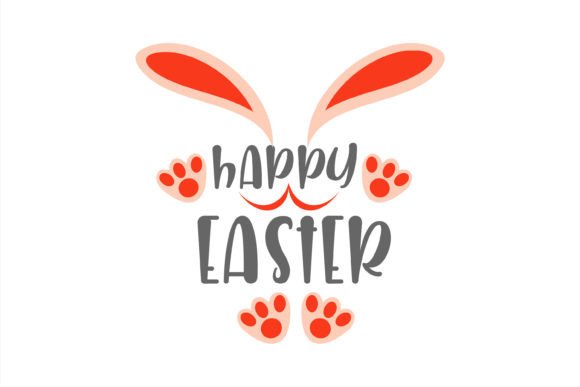
The first thing that strikes you about the Easter Bunny Embroidery is its balanced aesthetic. It avoids the overly chaotic details that often plague holiday-themed graphics, opting instead for a clean, recognizable silhouette. The mood is whimsical yet refined, making it suitable for a wide demographic ranging from toddlers to adults who appreciate subtle seasonal decor. From a design perspective, the layout suggests a thoughtful approach to stitch density. The shapes are distinct, which is crucial for maintaining clarity once the needle hits the fabric. For those of us in the Crafts industry, finding Graphics that do not require heavy manual cleanup before digitizing or using is a significant time-saver.
Real-World Application: The Tote Bag Test
To truly understand the value of this design, I visualized it in a common commercial scenario: a custom embroidered tote bag. Tote bags are a staple for small shop products and boutique branding, especially during the spring season. When applied to a canvas or cotton tote, the Easter Bunny Embroidery needs to hold its shape without puckering the fabric. Because the design likely utilizes a mix of satin stitch for outlines and fill stitch for larger areas, it provides a textured, premium look that customers associate with high-quality handmade items.
I imagined placing this design on a natural linen tote. The contrast between the soft, organic texture of the linen and the structured embroidery creates a sophisticated finish. This is not just a holiday item; it becomes a versatile accessory. For an Etsy seller, this versatility translates to higher perceived value. Customers are more likely to purchase a personalized gift that they can use beyond Easter Sunday. The design’s simplicity allows it to pair well with monograms or additional text, making it an excellent base for custom apparel and accessories.
Versatility Across Product Lines
Beyond tote bags, this design shines in various other applications. Consider sweatshirt embroidery. A crewneck sweatshirt in pastel yellow or mint green serves as a perfect backdrop for the bunny motif. The design scales well, meaning it can be resized for a chest pocket placement or a larger back print without losing its integrity. For baby embroidery projects, such as onesies or burp cloths, the gentle curves of the bunny are safe and appealing. Parents love items that feel special and celebratory, and this design delivers that emotional connection.
The inclusion of multiple file formats—EPS, AI, CDR, PNG, and SVG—makes this asset incredibly flexible. While these are primarily vector and raster image files rather than native machine embroidery formats like PES or DST, they are essential for creating printable mockups and marketing materials. As a digital product seller, you can use the PNG and SVG files to create stunning previews for your online store. You can overlay the design on photos of finished products to show potential buyers exactly how the embroidered patch or direct stitch will look. This capability is vital for driving engagement and building trust with online shoppers.
Technical Considerations and Fabric Choices
While the design is strong, there are technical nuances to consider before stitching. If you are converting these graphics into a stitch file yourself, pay close attention to thread colors. High contrast is key. On dark fabrics, ensure you use bright, vibrant threads to make the bunny pop. On light fabrics, subtle pastels can create a delicate, elegant look. However, avoid using too many similar shades, as this can muddy the design and reduce visual impact.
Fabric texture plays a massive role in the final outcome. Textured fabrics like terry cloth or heavy denim can obscure fine details. If you are working with thin fabric or stretchy materials like jersey knits, proper stabilization is non-negotiable. Use a cut-away stabilizer for garments that will be washed frequently to prevent distortion. For caps and hats, which have curved surfaces, test the design on a scrap piece first. Curved surfaces can cause registration issues if the design is too wide or dense. The Easter Bunny Embroidery appears compact enough for most standard hoop sizes, but always confirm your specific machine’s capabilities.
Where to Use Caution
There are specific scenarios where this design might require adjustment. Avoid placing it on areas with excessive seam allowances or zippers, as the hoop may not sit flat. If you are creating an applique design version, ensure the fabric edges are neatly trimmed to prevent fraying, which can ruin the clean lines of the bunny. Additionally, be mindful of small hoop sizes. If you shrink the design too much, the running stitch details may become indistinguishable, turning into a blob of thread. Always maintain a minimum size that respects the original proportions of the graphic.
Enhancing Brand Consistency and Value
For creative entrepreneurs, consistency is key to building a recognizable brand. Using a cohesive set of holiday designs helps establish a visual identity. The Easter Bunny Embroidery fits seamlessly into a broader spring collection. When customers see this level of detail and care in your finished product, it reinforces their trust in your craftsmanship. This trust leads to repeat business and positive reviews, which are the lifeblood of any craft business.
Moreover, the professional presentation of your design assets matters. By using the included high-resolution files for your marketing, you present a polished image. Whether you are selling physical handmade products or digital embroidery files, the quality of your preview images directly influences buyer engagement. A clear, attractive mockup can be the difference between a scroll-past and a sale.
Practical Designer Notes for Success
Before launching this design in your shop, follow these practical steps:
- Test on Scrap Fabric: Never stitch a new design directly on your final garment. Use a similar fabric scrap to check tension and density.
- Check Thread Contrast: Ensure your thread choices provide enough contrast against the fabric background for maximum visibility.
- Review Stitch Density: If digitizing from the provided graphics, adjust the density to suit the fabric weight. Heavy density on thin fabric causes puckering.
- Confirm Hoop Size: Measure the design dimensions against your available hoops to ensure it fits without re-hooping.
- Inspect Small Details: Zoom in on the vector files to check for any stray nodes or imperfections before conversion.
- Mockup in Black and White: Convert the design to grayscale to check for value contrast. If it looks good in black and white, it will look good in color.
- Verify Licensing: Although the package includes EPS, AI, CDR, PNG, and SVG files, always confirm the license terms for commercial use. Ensure you have the right to sell finished items or modified digital products.
In conclusion, the Easter Bunny Embroidery is a robust asset for any designer’s toolkit. It offers the flexibility needed for diverse applications, from holiday embroidery gifts to year-round boutique merchandise. By understanding its technical requirements and leveraging its visual appeal, you can create products that stand out in a crowded market. Remember, the success of an embroidery project lies not just in the design itself, but in how well it is executed. With careful planning and attention to detail, this design can become a bestseller in your spring lineup.