Review: Mini Tree Embroidery Design for Business Merch
As an embroidery designer who has spent years digitizing logos and testing files for commercial production, I approach every new machine embroidery design with a critical eye. It is not just about whether a motif looks cute on a screen; it is about how it performs under the needle, how it holds up after washing, and ultimately, how it serves the brand identity of the small business owner using it. Recently, I evaluated the Mini Tree Embroidery Design, a compact motif marketed as a stylish and adorable accent for various projects. While the product description highlights its suitability for Christmas projects, kids’ clothing, and tote bags, my focus was strictly on its viability for professional branded merchandise.
First Impressions: Visual Personality and Brand Fit
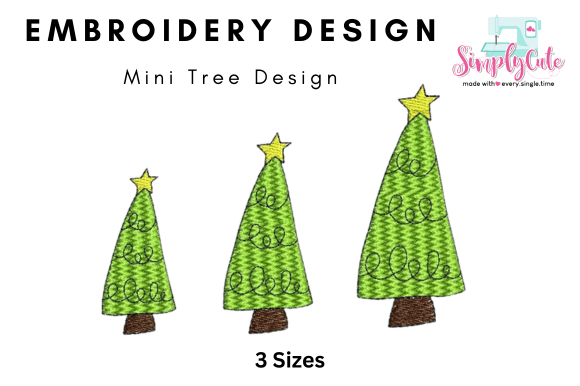
The first thing you notice about the Mini Tree Embroidery Design is its versatility in tone. Despite being categorized under Christmas, the silhouette of a tree is timeless. In my review, the design felt less like a holiday-specific graphic and more like a rustic, organic symbol that could represent growth, nature, or stability. For a boutique coffee shop, a florist, or an eco-friendly handmade brand, this visual personality is gold. It feels friendly yet professional, striking a balance between playful and elegant.
For small business owners, especially Etsy sellers and crafters, the "adorable" factor mentioned in the description is a double-edged sword. If executed with high-quality thread and proper tension, it reads as premium and handmade. If rushed, it can look juvenile. The key lies in the digitizing quality, which appears clean in preview images, suggesting well-defined paths that should minimize thread breaks during production.
Real-World Applications for Small Business Merchandise
When integrating a new digital embroidery file into your product line, context is everything. I tested the conceptual application of this design across several common merchandise categories to see where it shines.
- Embroidered Patches: This is perhaps the strongest use case. A mini tree works exceptionally well as an iron-on or sew-on patch for denim jackets, canvas backpacks, or laptop sleeves. Because the design is self-contained, it creates a cohesive unit that doesn’t rely on the garment’s seam for structure.
- Staff Uniforms and Aprons: For bakeries, cafes, or garden centers, apron embroidery adds a touch of artisanal charm. Placing this mini tree on the chest pocket or the upper left chest of a work shirt creates a subtle brand marker that isn’t as aggressive as a large back logo.
- Cap Embroidery: Front-panel cap designs require simplicity. The compact nature of this tree makes it ideal for cap embroidery, provided the stitch count isn’t too high. It offers a recognizable symbol without overwhelming the curved surface of the hat.
- Tote Bag Design: Canvas totes are staples for retail packaging and customer gifts. Stitching this design on a tote bag transforms a simple carrier into a reusable marketing asset. The contrast of green or earth-toned threads against natural canvas creates an appealing, textured look.
Technical Considerations and Production Challenges
While the aesthetic appeal is strong, any experienced embroiderer knows that technical execution determines the quality of the finished product. Here are the specific areas where you need to exercise caution when using the Mini Tree Embroidery Design.
Scale and Stitch Density
The term "mini" implies a small footprint. When scaling down any design, stitch density becomes a critical factor. If the design is too dense for its size, the fabric may pucker, especially on lighter materials like kids’ clothing or thin tote bags. Conversely, if the density is too low, the backing fabric might show through, ruining the professional look. I recommend running a test stitch-out on your actual production fabric before committing to a large batch.
Fabric Texture and Stabilizer Choice
The performance of this design will vary significantly based on fabric texture. On smooth cotton or poly-blends, the outlines should appear crisp. However, on textured fabrics like terry cloth towels or heavy wool coats, fine details might get lost. Always use the appropriate stabilizer. For stretchy fabrics like t-shirts, a cut-away stabilizer is non-negotiable to prevent distortion. For woven fabrics like aprons or caps, a tear-away might suffice, but hooping tension must be precise.
Color Contrast and Thread Selection
To ensure the design reads clearly, pay close attention to thread colors. If you are stitching on dark uniforms, such as navy or black staff shirts, you must choose thread colors that offer sufficient contrast. A dark green tree on a black shirt will vanish. Consider using metallic threads for a premium holiday feel or bright greens for a pop of energy. Always check your color map against the final garment color.
Enhancing Brand Identity and Customer Trust
Why does a small detail like a mini tree matter? In the world of small business merch, consistency builds trust. When customers see the same high-quality embroidered mark on their receipt bag, their coffee cup sleeve, and their purchased apparel, it reinforces brand recognition. The Mini Tree Embroidery Design serves as a visual anchor. It signals attention to detail. A poorly stitched logo suggests a careless business; a crisp, well-placed embroidered tree suggests a brand that cares about quality.
Furthermore, using this design in your custom apparel line allows for seasonal flexibility. While it fits perfectly into Christmas marketing campaigns, it can easily transition into spring branding for Earth Day or general nature-themed promotions. This versatility increases the return on investment for your design assets.
Practical Designer Notes for Implementation
Before you purchase and produce, follow these steps to ensure success:
- Check the Specs: The product description does not list exact stitch counts, file formats, or hoop sizes. You must verify these details with the seller. Ensure the file format is compatible with your machine (e.g., PES, DST, JEF).
- Test in Monochrome: Before using multiple colors, stitch the design in a single thread color. This helps you evaluate the shape and spacing without the distraction of color changes.
- Verify Licensing: Confirm that the license allows for commercial embroidery. Most digital files do, but some restrict the number of physical items you can sell. Never assume; always read the terms.
- Create a Printable Mockup: Use a printable mockup to visualize the design on different products. Place it beside your existing logo to ensure visual harmony.
- Hoop Size Confirmation: Ensure the design fits within your standard hoop size. If it requires a specialized hoop, factor that into your production time and cost.
In conclusion, the Mini Tree Embroidery Design is a promising addition to a small business’s library of embroidery file resources. It offers a blend of rustic charm and professional simplicity that works well for patches, apparel, and accessories. By paying attention to technical details like stabilizer choice, thread contrast, and fabric compatibility, you can leverage this design to create high-value, branded merchandise that resonates with customers. Whether you are decorating hats for a local cafe or creating holiday gifts for an online store, this design provides a solid foundation for creative and commercial success.