Reviewing Oh Yes Embroidery Design for Real Projects
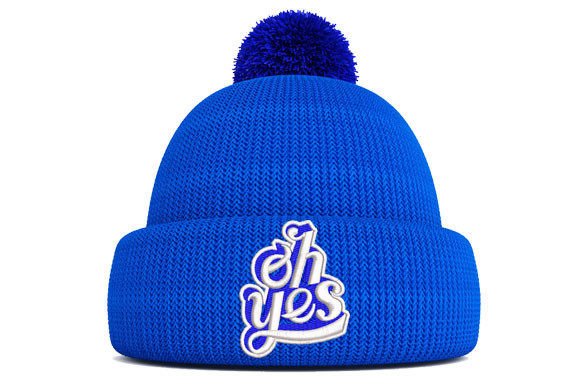
As a designer who spends more time staring at stitch simulations than I care to admit, I have learned that the most effective designs are often the simplest. When I first loaded the Oh Yes Embroidery Design into my software, my immediate reaction was one of relief. In an industry cluttered with overly complex, thread-heavy patterns that promise the world but deliver puckered fabric, this design stands out for its restraint. It is cool, simple, and undeniably adorable, which makes it a versatile asset for anyone running a craft business or creating personalized gifts.
First Impressions: Simplicity with Personality
The visual personality of Oh Yes Embroidery Design is approachable. It does not try to be everything to everyone. Instead, it offers a clean layout that relies on strong shapes rather than excessive detail. For embroidery designers and Etsy sellers, this is crucial. A design with too much noise can get lost on textured fabrics or look messy after washing. This design, however, maintains its integrity. The mood it creates is playful yet polished, making it suitable for a wide range of applications from baby embroidery to trendy adult apparel.
When evaluating a new digital embroidery file, I always look at the balance between positive and negative space. This design handles that balance well. It leaves enough room for the fabric to breathe, which reduces the risk of distortion during the stitching process. Whether you are working with a satin stitch for bold outlines or a fill stitch for solid areas, the simplicity of the design ensures that the machine can execute it cleanly without constant thread breaks or tension issues.
Real-World Application: The Tote Bag Test
To truly understand how a design performs, you have to take it off the screen and put it on fabric. I recently used Oh Yes Embroidery Design for a custom tote bag project. Tote bags are notoriously tricky because canvas can be thick and prone to shifting if not stabilized correctly. However, because this design is not overly dense, it sat beautifully on the heavy cotton twill.
The result was a chic, minimalist accessory that looked like it belonged in a boutique rather than a hobbyist’s basement. The stitch clarity was excellent, with no visible gaps or overlaps. This kind of finished product is what builds customer trust. When a buyer sees a clean, professional-looking embroidered patch or direct-to-garment design, they perceive higher value. For small shop owners, this translates directly to better reviews and repeat business.
Versatility Across Product Lines
Beyond tote bags, this design shines in several other categories. Here is where I see it fitting best in a commercial embroidery lineup:
- Sweatshirt Embroidery: The design scales well for left-chest placement on hoodies or crewnecks. It adds a subtle touch of personality without overwhelming the garment.
- Baby Clothes: Because the design is adorable and simple, it is perfect for onesies and bibs. Just ensure you use a soft stabilizer to keep the fabric comfortable against sensitive skin.
- Holiday Embroidery: With the right thread colors, this design can easily be adapted for seasonal gifts. Think red and green for Christmas or pastels for Easter.
- Embroidered Patches: If you are selling design assets or finished patches, this layout holds up well when cut out, provided you use a tight zigzag or merrow edge finish.
Technical Considerations for Designers
While Oh Yes Embroidery Design is user-friendly, it is not immune to the laws of physics and machinery. As an experienced reviewer, I must point out where caution is needed. If you are planning to stitch this on stretchy fabric, such as a thin t-shirt or athletic wear, proper stabilization is non-negotiable. Without a cut-away stabilizer, even a simple design can cause the fabric to pucker around the stitches.
Additionally, consider the hoop size. While the design is compact, always confirm that your specific file version fits within your machine’s hoop capabilities. If you are working on curved surfaces like caps, you may need to adjust the pull compensation settings in your software to prevent the design from looking stretched or distorted. Textured fabrics, such as terry cloth or fleece, can also swallow up fine details. In these cases, increasing the stitch density slightly or using a topping stabilizer can help the design pop.
Another critical factor is thread color contrast. Since this is a simple design, the choice of thread colors will define its impact. I recommend testing the design in black and white mockups first. If it loses its shape in monochrome, it might rely too heavily on color contrast rather than structural integrity. Fortunately, Oh Yes Embroidery Design holds its shape well, allowing you to experiment with bold, contrasting threads or subtle, tonal blends depending on your brand aesthetic.
Enhancing Brand Consistency and Value
For creative entrepreneurs and handmade shop owners, consistency is key. Using a cohesive set of designs helps establish brand recognition. Oh Yes Embroidery Design fits seamlessly into a modern, minimalist brand identity. It does not scream for attention; instead, it invites closer inspection. This subtlety can enhance the perceived quality of your handmade products.
When creating printable mockups for your online store, this design photographs well. It does not create harsh shadows or uneven textures that can look unprofessional in digital previews. This makes it an excellent choice for Etsy sellers who rely on high-quality images to drive sales. A clean embroidery project leads to cleaner photos, which leads to higher buyer engagement.
Practical Designer Notes
Before you commit to a large production run or list a new item in your shop, follow these practical steps:
- Test on Scrap Fabric: Always stitch a sample on the same type of fabric you intend to use for the final product. Check for puckering, thread breaks, and registration issues.
- Check Licensing: Confirm the license terms for Oh Yes Embroidery Design. Ensure you are allowed to use it for commercial embroidery projects and selling finished items. If you are selling the digital embroidery file itself, verify that redistribution is permitted.
- Review File Formats: The product description mentions multiple embroidery file formats. Ensure you have the correct format for your specific machine model to avoid conversion errors that can alter stitch density.
- Inspect Small Details: Zoom in on your software to check for any potential jump stitches or unnecessary trims that could slow down production.
- Compare Backgrounds: Test the design on both light and dark fabrics. You may need to adjust underlay stitches for darker materials to prevent the fabric color from showing through.
Final Verdict
In the world of Clothing and Embroidery, trends come and go, but good design is timeless. Oh Yes Embroidery Design is a solid addition to any designer’s library. It is practical, versatile, and aesthetically pleasing. Whether you are creating a personalized gift for a friend or stocking your small shop with new merchandise, this design delivers professional results with minimal hassle. Just remember to respect the technical requirements of your fabric and machine, and you will find that this simple design can carry a lot of weight in your product lineup.