Reviewing Traditional Embroidery Tribal â for Gifts
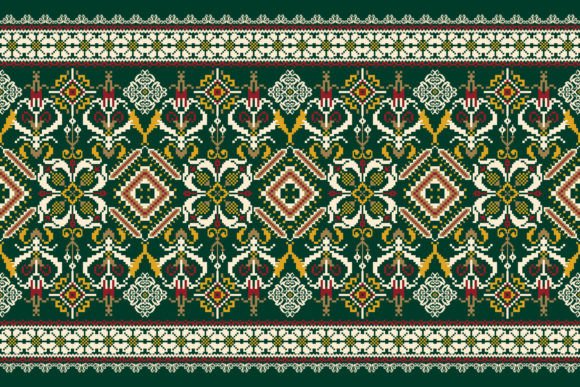
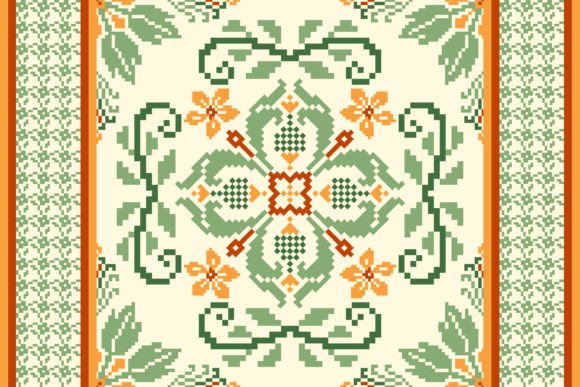
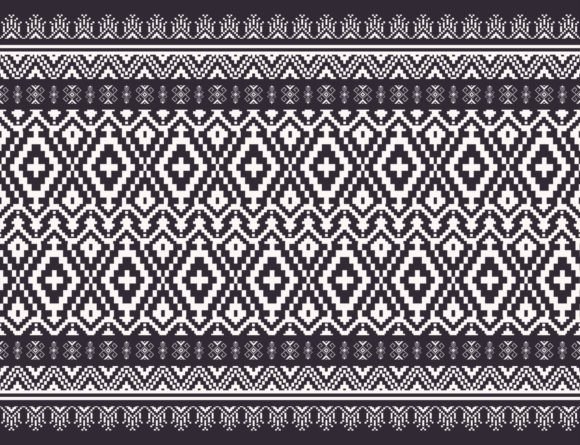
As an embroidery designer who has spent years digitizing motifs and testing them on everything from delicate muslin to heavy denim, I approach every new digital embroidery file with a mix of curiosity and caution. When I first loaded Traditional Embroidery Tribal â into my software, I was immediately struck by its distinct aesthetic. This is not your typical floral or whimsical animal design. It is an ethnic traditional black and white pattern that carries a weight of history and culture, rendered in a unique pixel-style illustration. For those of us running small shops or creating personalized gift lines, finding designs that stand out in a saturated market is crucial. This piece, categorized under Patterns and Graphics, offers a modern twist on classic tribal motifs, making it a compelling candidate for contemporary home decor and custom apparel.
First Impressions: Mood and Aesthetic Appeal
The immediate vibe of Traditional Embroidery Tribal â is one of grounded elegance. The black and white color scheme suggests sophistication and timelessness, while the pixel-style rendering adds a layer of modern artistic flair. It feels less like a rustic craft item and more like a curated interior design element. The charm lies in its simplicity; it does not rely on complex shading or thousands of thread changes to make an impact. Instead, it uses strong geometric lines and border elements to create visual interest. For a handmade product seller, this translates to efficiency without sacrificing style. The design feels classic yet modern, appealing to customers who appreciate minimalist decor with ethnic roots. It lacks the overt sweetness of baby-themed designs but possesses a warm, inviting quality that works well for gender-neutral gifts and adult-focused home interiors.
Versatility in Personalized Gift Products
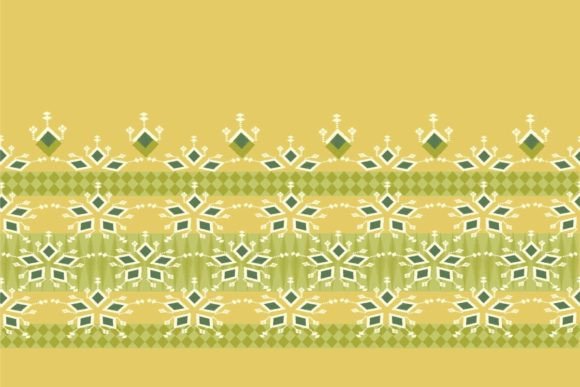
One of the strongest assets of this machine embroidery design is its versatility as a border or decoration element. Because it is described as an ethnic border decoration element, it naturally lends itself to edging and framing. I envision this design performing exceptionally well on an embroidered towel set. Imagine a high-quality linen kitchen towel with this tribal pattern running along the hem. The contrast of the black thread against white fabric would be striking, offering a boutique hotel feel that customers love. Similarly, for a pillow cover, this design could frame the edges of a neutral-toned cushion, adding texture and definition without overwhelming the room’s decor.
For Etsy sellers and craft fair vendors, this design opens up several niche markets. It is ideal for customers seeking non-traditional wedding gifts. A table runner or napkin set featuring Traditional Embroidery Tribal â would appeal to couples who prefer bohemian or modern eclectic styles over traditional lace and florals. Furthermore, the pixel-style aspect gives it a slight retro-gaming or digital art vibe, which could attract a younger demographic looking for unique custom embroidery on tote bags or aprons. While it may not be the first choice for a frilly baby shower, it is perfect for a modern nursery that embraces monochrome or geometric themes. A blanket embroidery project using this border could result in a stunning heirloom piece that grows with the child, remaining stylish from infancy through adulthood.
Technical Considerations and Fabric Compatibility
However, enthusiasm must always be tempered with technical prudence. Before committing to a large batch of small shop product inventory, I always recommend rigorous testing. The pixel style of Traditional Embroidery Tribal â implies sharp angles and potentially small, block-like details. This raises important questions about stitch density and resolution. If the design relies on very small pixels to create the illusion of the pattern, it may not translate well to textured fabrics. Thick towels or rough linen can obscure fine details, causing the "pixels" to merge into indistinct blobs. Therefore, checking the design on scrap fabric that matches your final product material is non-negotiable.
Another critical factor is the hoop size. Since this is a border element, you need to ensure your machine’s hoop can accommodate the length of the pattern if you intend to stitch it continuously or in large sections. If the design is segmented, you must plan for precise alignment to maintain the seamless look of the tribal pattern. Additionally, consider the fabric texture. Stretchy fabrics, such as those used for baby clothes or t-shirts, require careful stabilization. Using the wrong stabilizer can cause the fabric to pucker around the dense black stitching, ruining the clean lines of the pixel art. I advise using a cut-away stabilizer for garments that will be washed frequently, ensuring the design remains stable and flat over time.
Color contrast is also key. While the design is black and white, remember that you are working with thread colors. Black thread on dark navy or charcoal fabric will vanish. Conversely, white thread on cream fabric may lack sufficient pop. Always compare light and dark fabric mockups before finalizing your product line. If you are stitching on dark fabric, ensure the design files allow for easy color swapping or that the contrast is inherent in the stitch types used.
Enhancing Perceived Value and Customer Trust
From a business perspective, the choice of design directly impacts perceived value. Traditional Embroidery Tribal â exudes a sense of intentionality. It does not look like a generic clip-art addition; it looks like a deliberate design choice. This elevates the finished product, allowing you to command a higher price point. Customers often associate intricate or unique border patterns with higher quality craftsmanship. When they see this ethnic pattern on a tote bag or home decor item, they perceive it as a premium handmade product rather than a mass-produced commodity.
This design also aids in product photography. The high-contrast nature of black and white embroidery photographs beautifully, especially in natural light. It creates strong shadows and highlights that add depth to your images, increasing buyer engagement on platforms like Etsy. A clear, crisp image of this tribal border can stop a scroller in their tracks, differentiating your commercial embroidery offerings from competitors using softer, less defined motifs. Moreover, offering such a distinct style builds customer trust. It shows that you curate your Patterns and Graphics carefully, positioning your brand as a tastemaker in the personalized gift space.
Final Recommendations for Makers
Before you launch this design in your store, there are a few final checks to perform. First, verify the commercial licensing terms. Ensure that your purchase of the digital embroidery file grants you the right to sell finished physical products. Second, create a printable mockup or a digital preview to show customers how the design looks on various items. This helps manage expectations regarding size and placement. Finally, pay attention to the small details after stitching. Check for any loose threads or uneven tension, particularly at the corners of the pixel blocks, as these are common trouble spots in geometric designs.
In conclusion, Traditional Embroidery Tribal â is a robust and stylish addition to any embroidery designer’s library. It bridges the gap between traditional ethnic art and modern digital aesthetics. With careful attention to fabric choice, stabilization, and hoop planning, it can become a staple in your lineup of personalized towels, pillow covers, and custom gifts. It invites the maker to explore the beauty of structure and contrast, resulting in products that are not only functional but emotionally resonant and visually striking.