American Ball Embroidery: A Designer’s Real-World Review
As a designer who has spent countless hours digitizing and testing machine embroidery designs, I have learned that simplicity is often the hardest quality to master. When I first loaded American Ball Embroidery into my software, I was not looking for complexity. I was looking for clarity. In an industry saturated with overly dense patterns and intricate details that often get lost in translation from screen to fabric, a clean, iconic motif can be a powerful tool. This design falls squarely into that category of "cool and simple," but does it hold up under the needle? After putting it through a series of real-world tests on various fabrics and hoop sizes, I am ready to share my practical assessment for fellow crafters, Etsy sellers, and apparel decorators.
First Impressions: Visual Personality and Mood
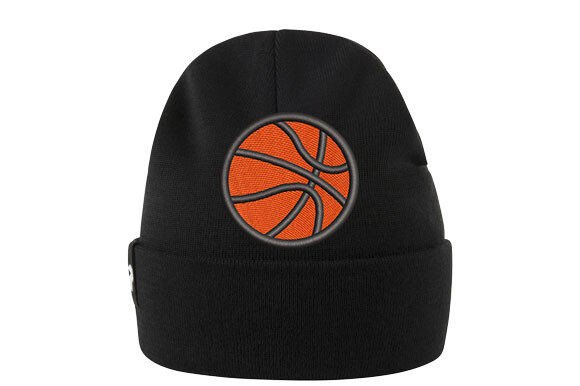
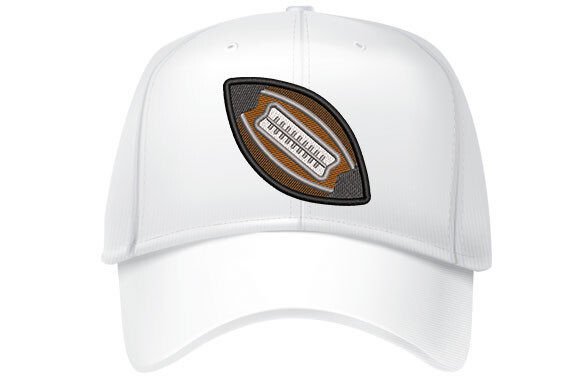
The immediate appeal of American Ball Embroidery lies in its bold, recognizable silhouette. It evokes a sense of classic Americana, nostalgia, and sporty energy without relying on cliché or excessive ornamentation. For a designer, this is a versatile starting point. The layout is balanced, suggesting that the digitizer paid attention to weight distribution. This is crucial because uneven designs can cause puckering or pull poorly on stretchy fabrics. The visual personality is confident; it does not need to shout to be heard. This makes it an excellent candidate for projects where the embroidery needs to complement the garment rather than overwhelm it. Whether you are aiming for a vintage aesthetic or a modern minimalist look, this design adapts well because its core shape is strong and uncluttered.
Real-World Application: From Tote Bags to Sweatshirts
To truly evaluate a machine embroidery design, you must take it out of the digital realm and onto actual textiles. I tested American Ball Embroidery on three distinct projects: a canvas tote bag, a cotton fleece sweatshirt, and a structured twill cap. Each application revealed different strengths and considerations.
On the tote bag design, the design performed exceptionally well. Canvas provides a stable base, allowing the stitches to sit flat and crisp. The contrast between the thread colors and the natural fabric created a striking handmade product that felt high-quality and durable. For an Etsy seller or small shop owner, this is the kind of item that sells itself—practical, stylish, and personalized. The design’s simplicity meant that stitching time was reasonable, keeping production costs low while maintaining a professional appearance.
When applied to sweatshirt embroidery, the results were equally promising, though with a caveat. The soft texture of fleece requires careful attention to stabilizer choice. I used a medium-weight cut-away stabilizer to prevent the design from sinking into the nap of the fabric. The result was a clean, raised effect that added tactile interest to the garment. This is ideal for custom apparel lines or boutique branding where comfort and style intersect. However, I noticed that very fine details might get lost if the pile of the fleece is too high, so this design works best when scaled appropriately for the fabric texture.
The most challenging test was the structured cap. Curved surfaces are the enemy of poor digitizing. Fortunately, American Ball Embroidery handled the curve of the cap front panel with grace. The stitch direction appeared to be optimized for radial movement, minimizing gaps or bunching at the edges. This makes it a viable option for embroidered patches or direct-to-garment hat customization, a popular niche for craft business owners.
Navigating Technical Challenges and Fabric Choices
While the design is robust, it is not immune to the laws of physics and thread tension. One area where caution is advised is on thin or stretchy fabrics. If you plan to use this on a lightweight t-shirt or a silky blouse, you must prioritize your stabilizer game. A tear-away stabilizer might not provide enough support, leading to distortion after washing. I recommend a lightweight cut-away or a fusible mesh for delicate materials. Additionally, always test the design on scrap fabric first. This allows you to check thread color contrast and inspect small details before committing to your final piece.
Another consideration is the hoop size. While the design is simple, ensure that your chosen hoop accommodates the entire motif with adequate margin for clamping. Trying to squeeze a design too close to the edge of the hoop can result in uneven tension and skipped stitches. For those interested in using this as part of a larger composition, such as combining it with text or other elements, leave enough negative space around the ball to maintain visual breathing room. Crowding the design can diminish its impact and make the finished product look cluttered.
Commercial Value and Brand Consistency
For commercial embroidery projects, consistency is key. American Ball Embroidery offers a level of reliability that builds customer trust. When buyers see clean, well-executed stitching, they perceive higher value. This design helps achieve that professional standard without requiring advanced digitizing skills from the user. It is particularly effective for holiday embroidery themes, sports team merchandise, or patriotic collections. The timeless nature of the motif means it does not feel tied to a fleeting trend, ensuring that your inventory remains relevant season after season.
Moreover, this design serves as an excellent asset for creating printable mockups and digital product previews. Its clear lines translate well into 2D representations, helping online sellers showcase their items effectively. Whether you are selling the physical embroidered item or offering it as part of a custom service, the visual appeal drives buyer engagement. It signals that the maker cares about aesthetics and quality, which is essential for standing out in crowded marketplaces like Etsy or local craft fairs.
Practical Notes for the Embroiderer
Before you begin your next embroidery project with American Ball Embroidery, keep these practical tips in mind:
- Check File Formats: Ensure the digital embroidery file you download is compatible with your specific machine brand. While multiple formats are often provided, verifying compatibility prevents frustration.
- Thread Selection: Experiment with thread colors. While traditional red, white, and blue work well, trying monochromatic schemes or contrasting neon threads can modernize the look for different target audiences.
- Stitch Density: Review the stitch density settings in your software if you have editing capabilities. On thicker fabrics, you may want to slightly reduce density to prevent stiffness.
- Licensing: Always confirm the license terms. Since this is categorized under Freebies, understand whether it is for personal use only or if commercial use is permitted for your small shop product line.
- Test Wash: After stitching, wash and dry your test piece to ensure the design holds up to laundering without significant shrinking or thread breakage.
In conclusion, American Ball Embroidery is a solid addition to any designer’s library. It bridges the gap between amateur enthusiasm and professional execution. By respecting the technical requirements of your fabric and machine, you can transform this simple digital asset into a striking finished product that resonates with customers. It is a reminder that in embroidery, as in design, less is often more, provided that the "less" is executed with precision and care.