Golf Cart Embroidery: A Designer’s Real-World Review
As a designer who spends more time staring at stitch simulations than I do sleeping, I have learned to be skeptical of cute concepts. We all know that what looks charming on a screen can sometimes turn into a tangled mess of thread breaks and puckering on the hoop. However, when I first loaded the Golf Cart machine embroidery design into my software, I paused. It wasn’t just another generic sports icon; it had personality. The intricate stitching and playful details promised a level of whimsy that is often missing from standard Sports category assets. But does it hold up under the needle? I decided to put this design through its paces to see if it belongs in your next commercial project or if it should stay in the digital folder.
First Impressions: Mood and Visual Personality
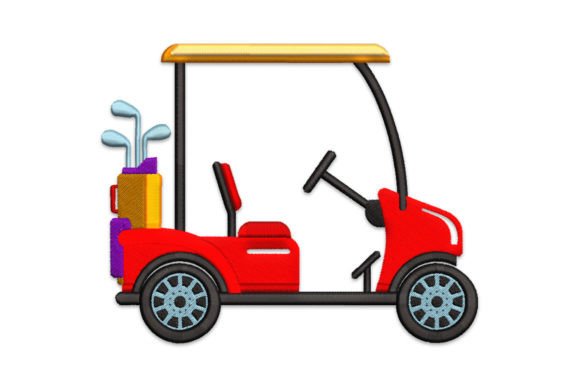
The immediate vibe of the Golf Cart design is leisurely and fun. It captures the essence of a slow Saturday morning on the green rather than the high-intensity competition of a tournament. For an embroidery project, mood matters. If you are selling to golfers, you are often selling them a lifestyle, not just a sport. This design leans into that relaxed aesthetic. The layout is balanced, with vibrant colors that pop without clashing. From a technical standpoint, the transition between the satin stitch outlines and the fill stitch bodies of the cart looked smooth in the preview. There were no obvious long jumps or excessive trims that would slow down production time, which is a critical factor for anyone running a small shop product line.
Real-World Application: Where This Design Shines
I tested this design on a few different substrates to gauge its versatility. My primary test was a custom tote bag. As a tote bag design, the Golf Cart worked exceptionally well. The sturdy canvas provided enough stability for the stitch density, and the playful nature of the cart made the bag feel like a perfect accessory for carrying clubs or beach gear. The colors remained vibrant against the natural fabric tone, proving that the thread colors selected for this digitization were well-considered.
Next, I moved to apparel. I stitched it onto a polo shirt for a client’s birthday gift. Here, the design served as a fantastic personalized gift element. When paired with a name or a short phrase, the golf cart becomes a focal point that anchors the composition. It is not so large that it overwhelms a chest pocket area, nor so small that the details get lost. For Etsy sellers looking to expand their custom apparel offerings beyond generic monograms, this design offers a niche appeal that targets a specific hobbyist community with humor and style.
I also considered its use in home decor. Imagine this stitched onto a kitchen towel or a pillow cover for a man-cave or sunroom. The holiday embroidery market could also benefit from this asset. With slight color tweaks—perhaps adding a Santa hat to the driver or changing the background to snowy whites—it transitions easily into a seasonal bestseller. This adaptability makes it a valuable addition to any design assets library for a craft business.
Technical Considerations and Fabric Constraints
While the design is charming, it is not without its technical demands. The "intricately stitched" description in the product details is accurate, which means you need to respect the stitch density. I would advise against using this on very thin, stretchy fabrics like lightweight jersey without substantial reinforcement. The density required to render the playful details can cause puckering if the fabric cannot support the weight of the thread.
If you are planning to use this on a cap, proceed with caution. Curved surfaces distort designs, and the straight lines of the golf cart body might appear warped if not hooped perfectly. I recommend using a strong cut-away stabilizer and testing on a scrap piece of your exact cap material first. For flat items like aprons or sweatshirt embroidery, the design performs much more predictably. The fabric texture plays a huge role here; a textured towel might hide minor imperfections, while a smooth polo shirt will reveal every tension issue.
Another point of consideration is the size. If you are working with a small hoop size, ensure that the intricate details do not become too compressed. Tiny elements can merge together if scaled down too far, turning distinct features into a blob of thread. Always check the minimum recommended size in your embroidery software before committing to a final run.
Commercial Value and Brand Consistency
For commercial embroidery professionals, the clarity of a design directly impacts perceived value. A muddy or poorly digitized image looks cheap, regardless of the thread quality. The Golf Cart design maintains high stitching clarity, which enhances the professionalism of the finished product. When customers see clean edges and consistent fill patterns, their trust in your brand increases. This is crucial for small shop products where repeat business relies on quality consistency.
Furthermore, this design fits well within the broader context of Embroidery trends that favor nostalgic and hobby-specific imagery. It allows boutique owners to create cohesive collections. For example, pairing this cart with other leisure-themed designs creates a recognizable brand aesthetic. It is not just a single sale; it is an invitation for the customer to buy the matching set. This kind of strategic thinking turns a simple digital embroidery file into a revenue-generating tool.
Practical Notes for the Maker
Before you rush to list this on your store, here are my practical recommendations for ensuring success:
- Test on Scrap First: Never skip this step. Stitch the design on the same fabric and stabilizer combination you plan to use for the final item.
- Check Thread Contrast: The design relies on vibrant colors. Ensure your thread palette has enough contrast to make the details visible, especially if stitching on dark fabrics.
- Review Stitch Density: If you find the design too stiff on lighter fabrics, consider using a lighter weight stabilizer or adjusting the density settings if your software allows.
- Verify Licensing: Always confirm the license terms before selling finished items. Most designers allow commercial use for physical products, but restrictions may apply to digital resale.
- Mockup Testing: Create printable mockup images on both light and dark backgrounds to see how the design translates visually for online listings.
In conclusion, the Golf Cart embroidery design is a solid contender for any designer focusing on leisure, sports, or personalized gifts. It balances charm with technical precision, offering a versatile asset for everything from baby embroidery on onesies (for the golf-loving parents) to high-end embroidered patch creations. By respecting the fabric constraints and paying attention to stabilization, you can leverage this design to create products that are not only visually appealing but also durable and professional. It is a reminder that in our industry, the right design, executed with care, can turn a simple piece of fabric into a cherished keepsake.