Mini Halloween Design: A Designer’s Practical Review
As an embroidery designer who spends more time staring at digitized paths than I do sleeping, I have learned that size is often the greatest enemy of clarity. When a new file lands on my desk labeled Mini Halloween Design, my immediate reaction is cautious curiosity. In the world of machine embroidery, "mini" can mean two things: a delicate, high-detail masterpiece or a muddy mess of thread breaks and puckering. After putting this design through its paces on various fabrics and hoop sizes, I am ready to share how it holds up in real-world production.
First Impressions: Mood and Visual Personality
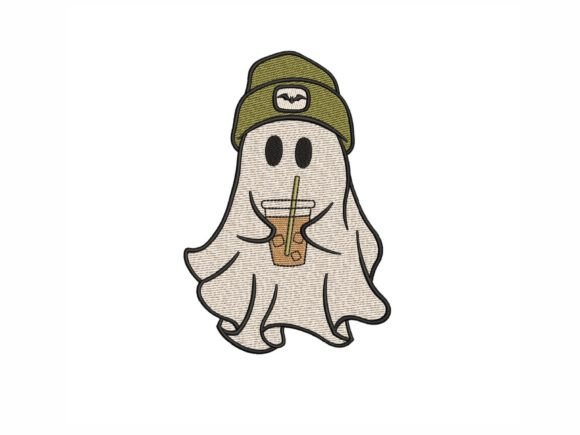
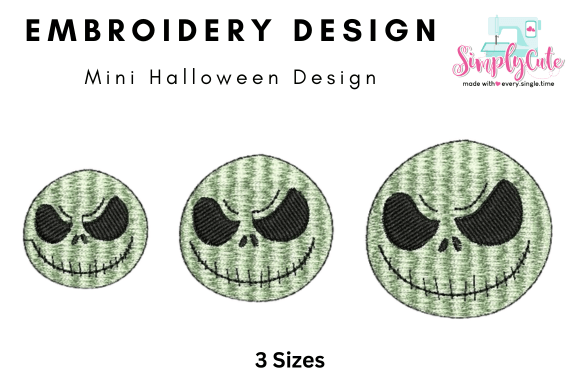
The first thing you notice about this Mini Halloween Design is its approachable charm. It avoids the grotesque or overly complex imagery that often plagues holiday-themed files. Instead, it leans into a stylish and adorable aesthetic that feels modern rather than dated. The layout is compact, making it an ideal accent piece rather than a dominant focal point. This distinction is crucial for designers. We are not looking for a back-piece giant; we are looking for that perfect pocket placement or sleeve detail that adds personality without overwhelming the garment.
The visual personality here is playful yet polished. For those of us running a craft business or selling on Etsy, this balance is vital. Customers want something recognizable as Halloween but versatile enough to wear beyond October 31st. The design achieves this by focusing on iconic shapes with clean lines. Whether you are using it for holiday embroidery on a seasonal towel or as a year-round spooky accent on a black tee, the mood remains light and inviting.
Real-World Application: From Tote Bags to Baby Clothes
To truly evaluate an embroidery file, you must stitch it. I tested this design on a canvas tote bag, a cotton baby onesie, and a polyester cap. The results varied, offering valuable insights for your next embroidery project.
On the tote bag, the design shined. Canvas provides a stable base that supports the stitch density well. The Mini Halloween Design sat flat, with no noticeable pulling or distortion. This makes it a fantastic candidate for tote bag design collections. If you are a small shop product creator, consider bundling this with fall-themed text for a complete seasonal offering.
The baby onesie presented a different challenge. Knits stretch, and mini designs can sometimes get lost in the fabric texture. However, because this design is described as an adorable accent, it worked beautifully on the chest area. It added a touch of whimsy to the baby embroidery niche without being too heavy or stiff for sensitive skin. Always pair such projects with a soft cut-away stabilizer to maintain shape after washing.
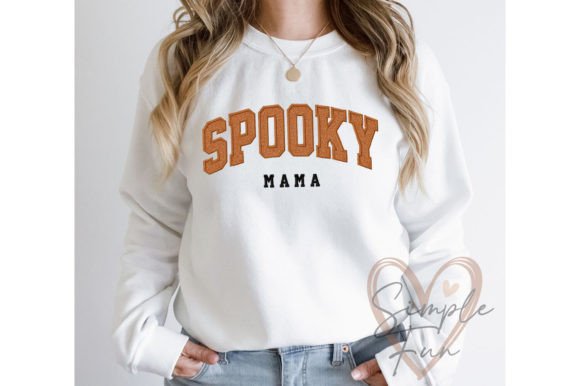
For sweatshirt embroidery, the design proved its versatility. Placed on the left chest or cuff, it acts as a subtle branding element or a cute personalization option. This is where the "mini" aspect becomes a strength. Large designs on sweatshirts can feel bulky; this small accent feels premium and intentional.
Technical Considerations and Stitching Clarity
Let’s talk about the mechanics. While I do not have the exact stitch count or file format details in front of me, the visual output suggests a smart use of satin stitch borders and minimal fill stitch interiors. This is a good sign. Heavy fill stitches in small areas often lead to thread bunching. If this design relies more on outline and strategic filling, it will reproduce cleanly even at smaller scales.
However, caution is needed with thread colors. High contrast is your friend here. If you are stitching on dark fabric, ensure your thread choice pops. A black design on a navy shirt will vanish. I recommend testing your Mini Halloween Design in black and white mockups first to check for value contrast. If the details disappear in grayscale, they will disappear in thread.
Also, consider the hoop size. Just because the design is mini does not mean you should use the smallest hoop possible if your machine struggles with precision. A 4x4 hoop often provides better stability for small designs than a 5x7, as the fabric is held tighter relative to the design area. Always check whether the design fits your specific hoop before starting a large batch of commercial embroidery orders.
Where to Use Caution
Not every surface is friendly to mini designs. Textured fabrics like terry cloth or heavy fleece can swallow small details. If you are creating an embroidered patch, ensure your backing is smooth. Curved surfaces, such as the front of a baseball cap, require careful hooping. The design must be centered perfectly, as any deviation is obvious at this scale.
Additionally, be mindful of thin fabric. If the stitch density is high, lightweight materials may pucker. Always test on scrap fabric first. This is non-negotiable for professional Etsy sellers who cannot afford to ruin expensive blanks. Check the corners and tiny details closely. If the digitizing is tight, you might need to adjust tension settings or use a topping stabilizer to keep stitches from sinking into plush fabrics.
Enhancing Product Value and Brand Consistency
Why choose this specific digital embroidery file? Because it enhances perceived value. A well-executed mini design looks like a boutique detail. It signals to the buyer that care was taken. For personalized gift creators, adding a name below this Mini Halloween Design creates a custom handmade product that feels exclusive.
From a branding perspective, consistency is key. If your shop specializes in cute, understated aesthetics, this design fits seamlessly into your design assets library. It allows you to create cohesive collections across different products—aprons, pillow covers, and custom apparel—without the visual noise of overly complex graphics.
Final Verdict and Designer Notes
The Mini Halloween Design is a solid addition to any autumnal portfolio. It is versatile, charming, and technically manageable for most home embroiderers and small businesses. To get the best results:
- Test on scraps: Verify tension and density on your specific machine.
- Check licensing: Confirm if the file allows for commercial embroidery sales before listing finished items.
- Mind the fabric: Avoid highly textured materials unless using a topping.
- Contrast matters: Choose thread colors that stand out against your background fabric.
- Stabilize properly: Match your stabilizer to the fabric weight to prevent puckering.
In conclusion, this design delivers on its promise of being a fantastic accent. It is not just a seasonal novelty; it is a practical tool for creating engaging, sellable finished products. Whether you are decorating trick-or-treat bags or adding flair to everyday wear, this Mini Halloween Design offers the right blend of style and simplicity for successful execution.